Landscape, Culture, and Sustainable Development
in the Borana Zone, Ethiopia
"Nu Warra Nagayaa"
We are the people of peace
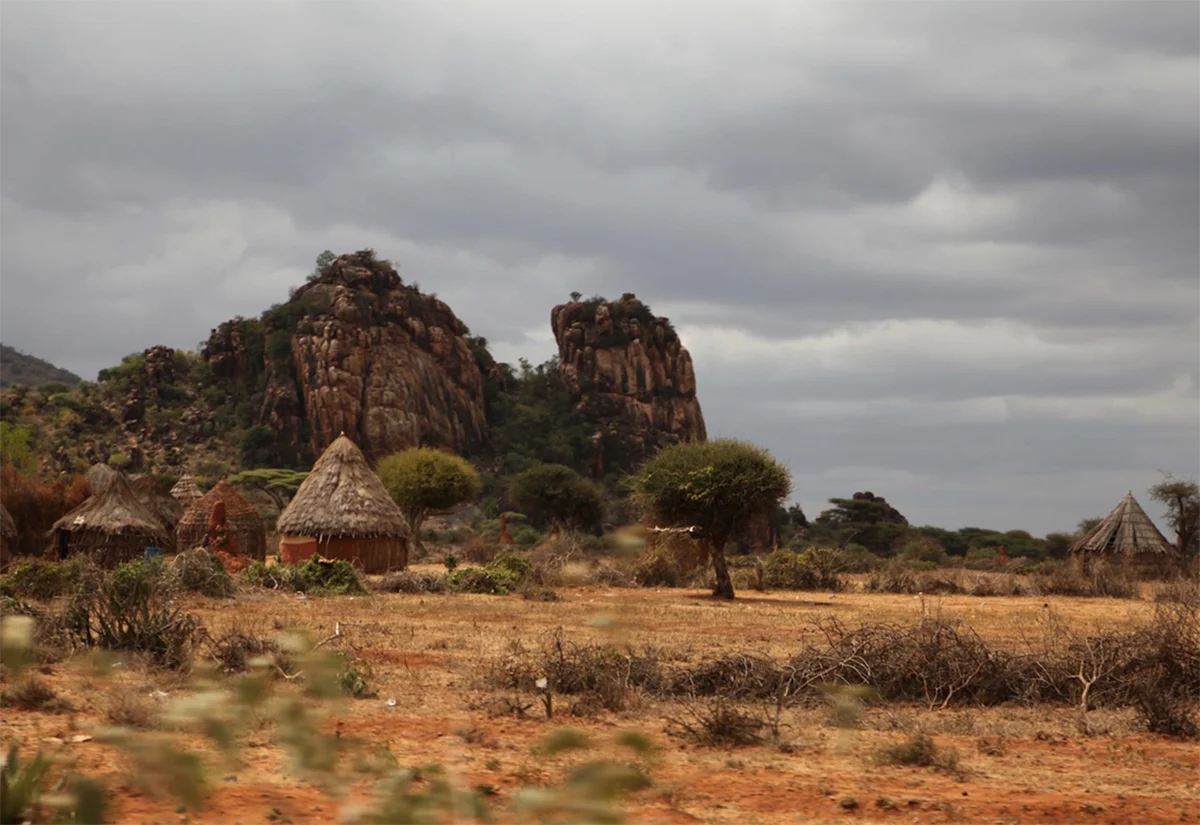
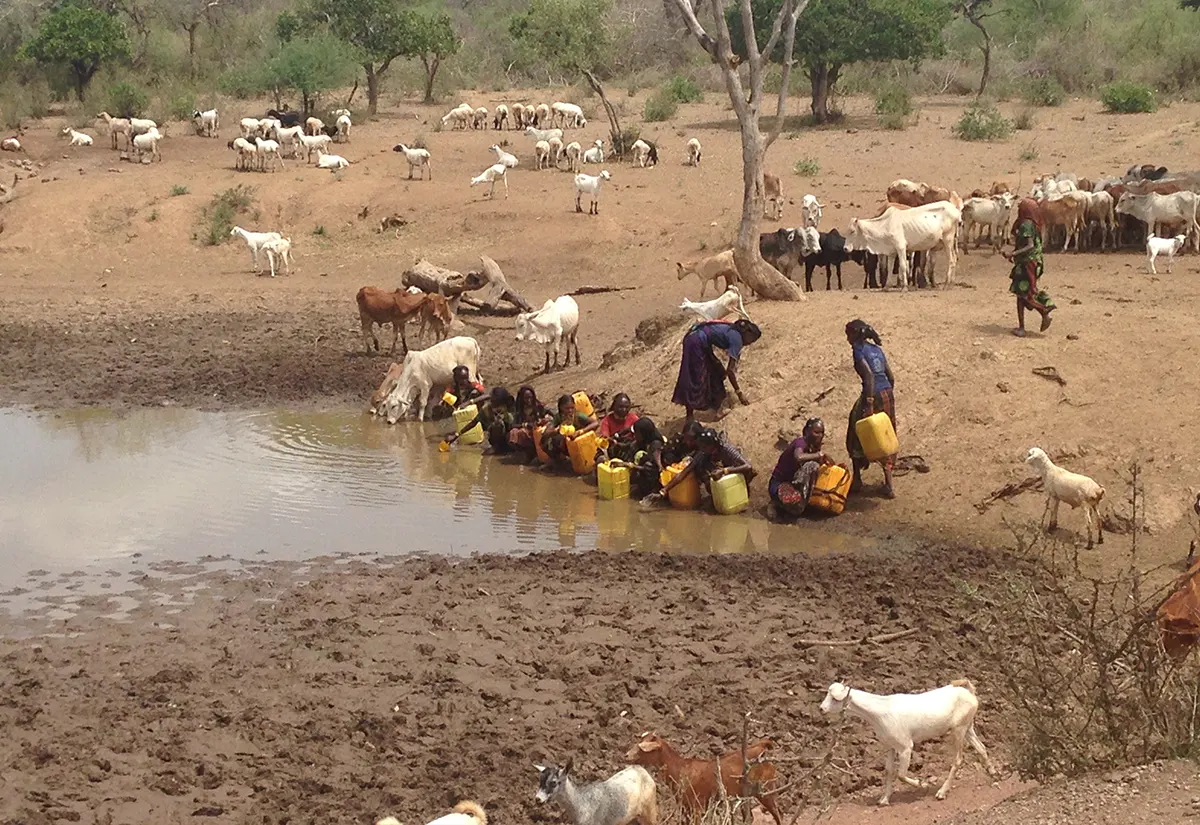
This initiative represents the final phase of the Sapienza 2023 Cooperation Project, a collaborative effort to promote sustainable development in the Borana Zone—an area in southern Ethiopia that has been severely impacted by drought and climate change. The project aims to foster a balanced approach that preserves the rich tangible and intangible cultural and natural heritage while supporting local communities’ well-being and economic development.
The project involves researchers from Sapienza University of Rome, the Ethiopian Heritage Authority, Addis Ababa University and Borana University, as well as local institutions, in particular the Borana Zone Culture and Tourism Office, and communities in the Borana Zone.
Background and Research Foundations
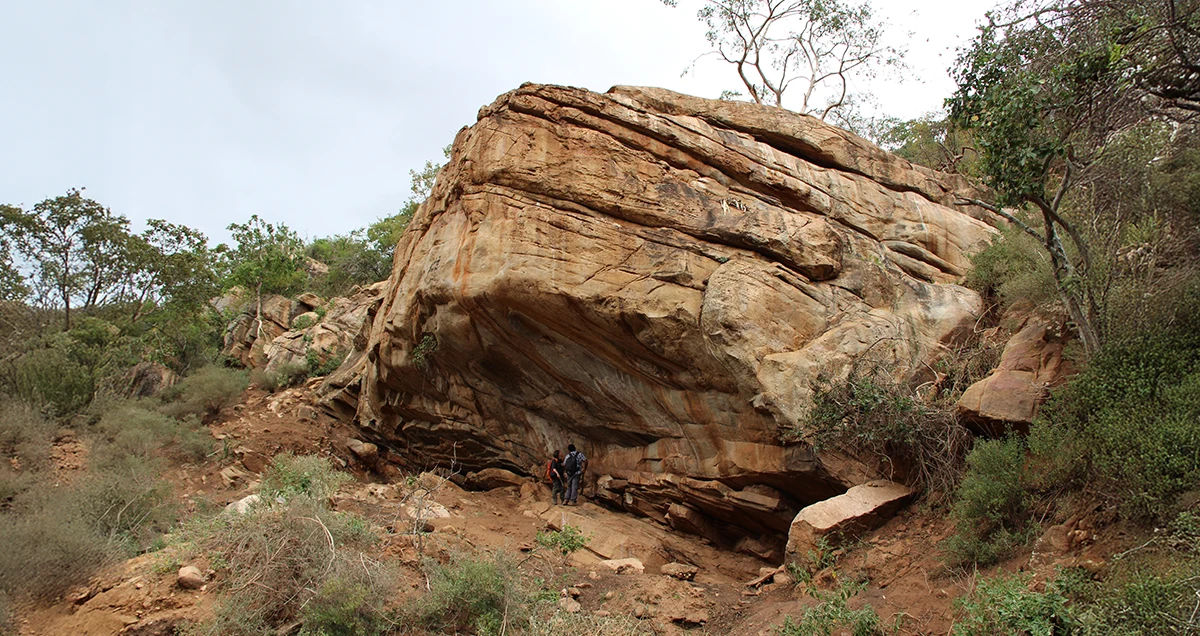
Since 2017, Sapienza University of Rome has been actively conducting archaeological research in Borana, focusing on the earliest evidence of pastoralism through excavations rock shelters featuring remarkable rock art. These studies and excavations, funded by Sapienza’s “Grandi Scavi” program and the Italian Ministry for Foreign Affairs and International Cooperation, carried out in collaboration with the Ethiopian, Italian and international universities and research centers, form a crucial backbone for understanding the historical and cultural roots of the region.
This archaeological work is complemented by ethnoarchaeological studies conducted in the present day, examining how local communities interact with their environment, their traditions, and their social structures. These investigations are essential for understanding the continuity and resilience of Borana’s cultural landscape in the face of contemporary challenges.
A Holistic and Inclusive Approach
The core aim is to develop a multidisciplinary, inclusive strategy for sustainable resource management that bridges scientific research with local knowledge. The project seeks to protect and valorize both tangible heritage—such as archaeological sites, rock art, and sacred places—and intangible cultural assets like oral histories, traditions, and social practices.
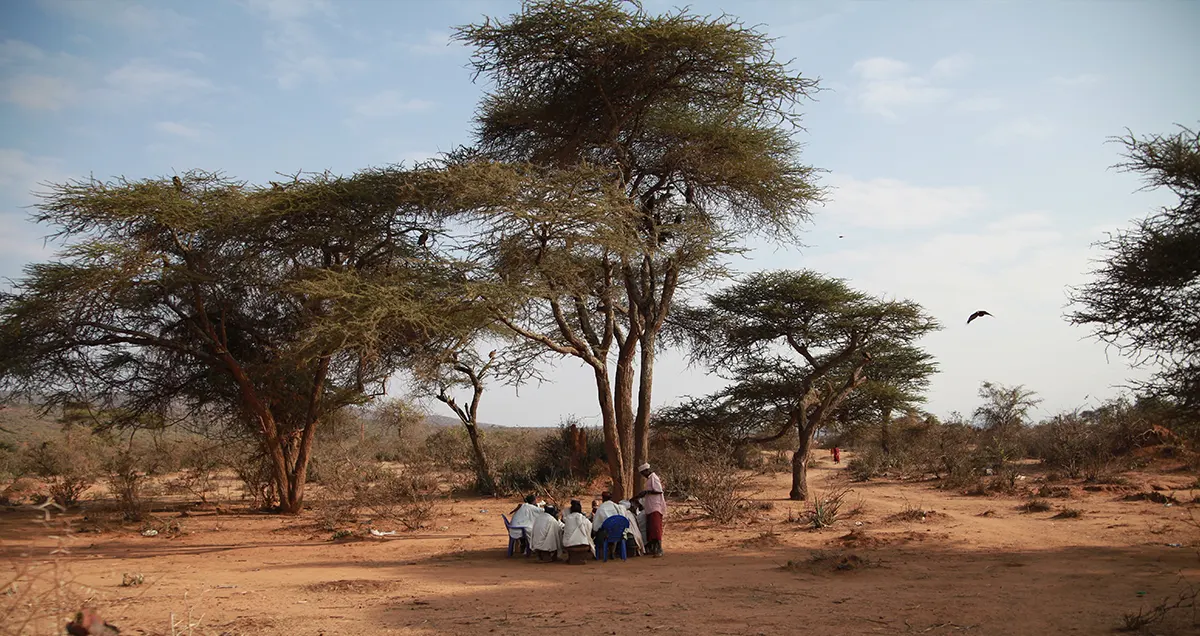
This approach recognizes that long-term sustainability depends on empowering local communities, respecting their traditions, and fostering dialogue between researchers, authorities, and residents. It aims to develop practical, culturally grounded solutions for sustainable development, climate adaptation, and cultural preservation, while raising awareness of the region’s rich cultural heritage and translating this knowledge into initiatives that promote socio-economic and environmental well-being.